Biological links between psychological stress and cutaneous inflammation
Psychological stress is not merely an emotional state but triggers a specific biological pathway that mobilizes and activates eosinophils, thereby exacerbating chronic inflammatory skin conditions such as atopic dermatitis or psoriasis. This research elucidates the complex interaction between the central nervous system and the peripheral immune system in cutaneous inflammatory responses.
Sympathetic nervous system activation and eosinophil recruitment mechanisms
Prolonged psychological pressure activates the sympathetic nervous system to release norepinephrine, which acts directly on immune cell receptors. This process elevates type 2 cytokines and chemokines, driving eosinophil migration from the bone marrow to damaged skin areas. At these sites, degranulation occurs, releasing toxic proteins and free radicals that directly disrupt the skin barrier, intensifying pruritus and inflammation.
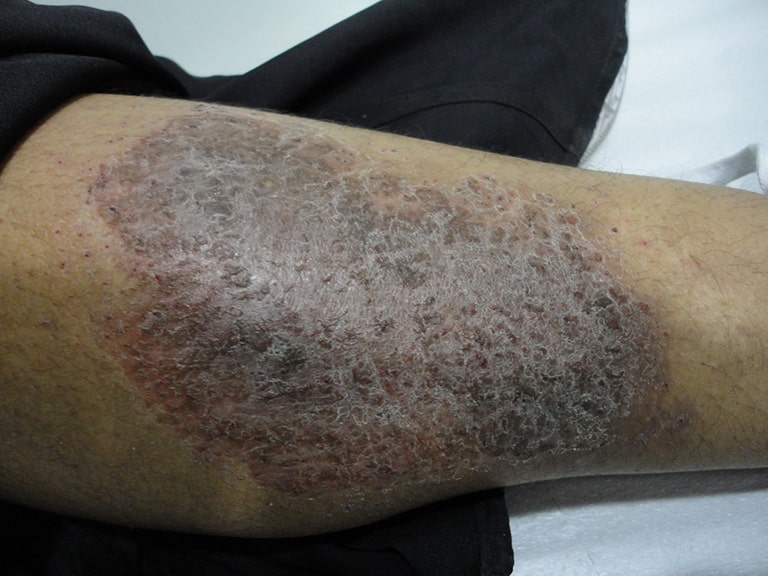
Neurodermatitis commonly appears in areas such as the wrists, lower legs, and nape of the neck.
The neuro-immune axis and implications for novel therapeutic strategies
This study identifies the neuro-endocrine-immune axis as a key regulatory component. Intervening in sympathetic receptors or inhibiting eosinophil activation has shown promising results in reducing experimental skin lesions. These findings open new therapeutic avenues, emphasizing the integration of mental health management with traditional dermatological therapies to optimize outcomes for stress-induced inflammatory skin diseases.
Center for Support & Continuing Education